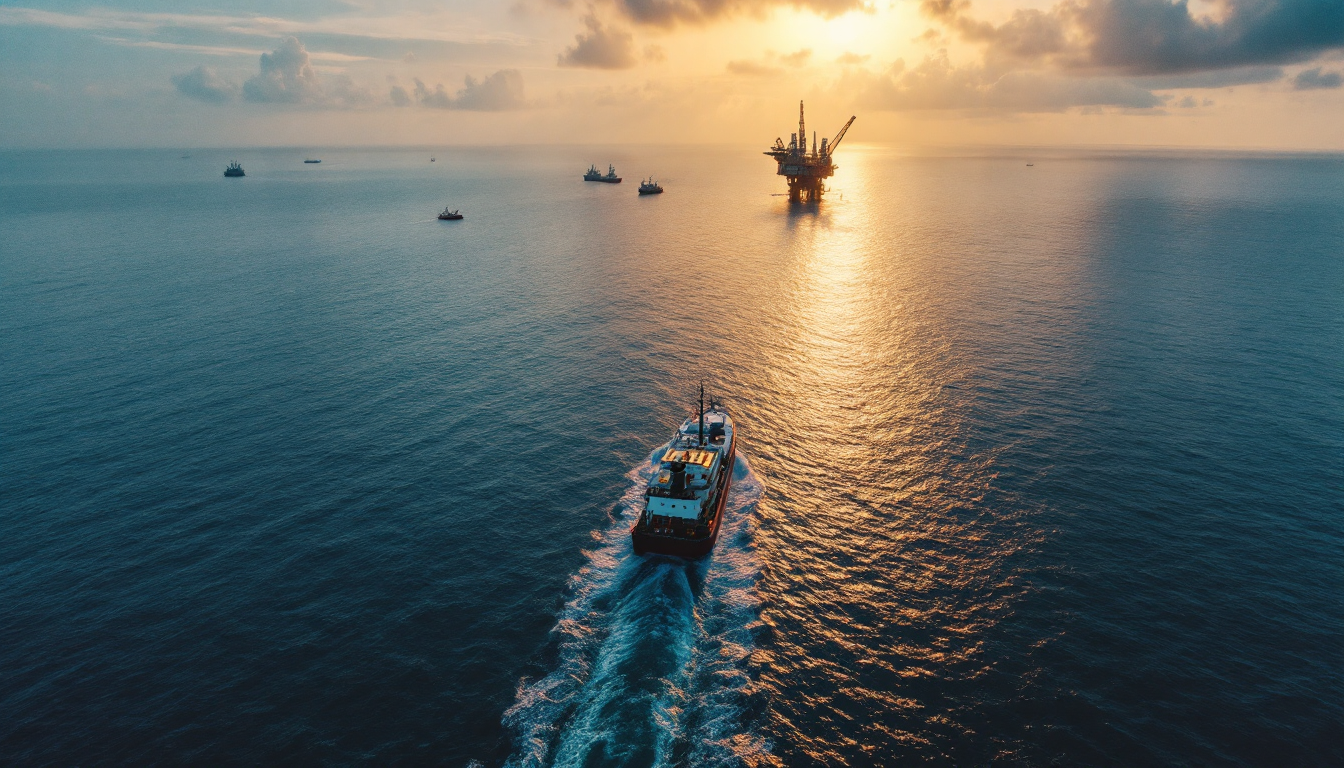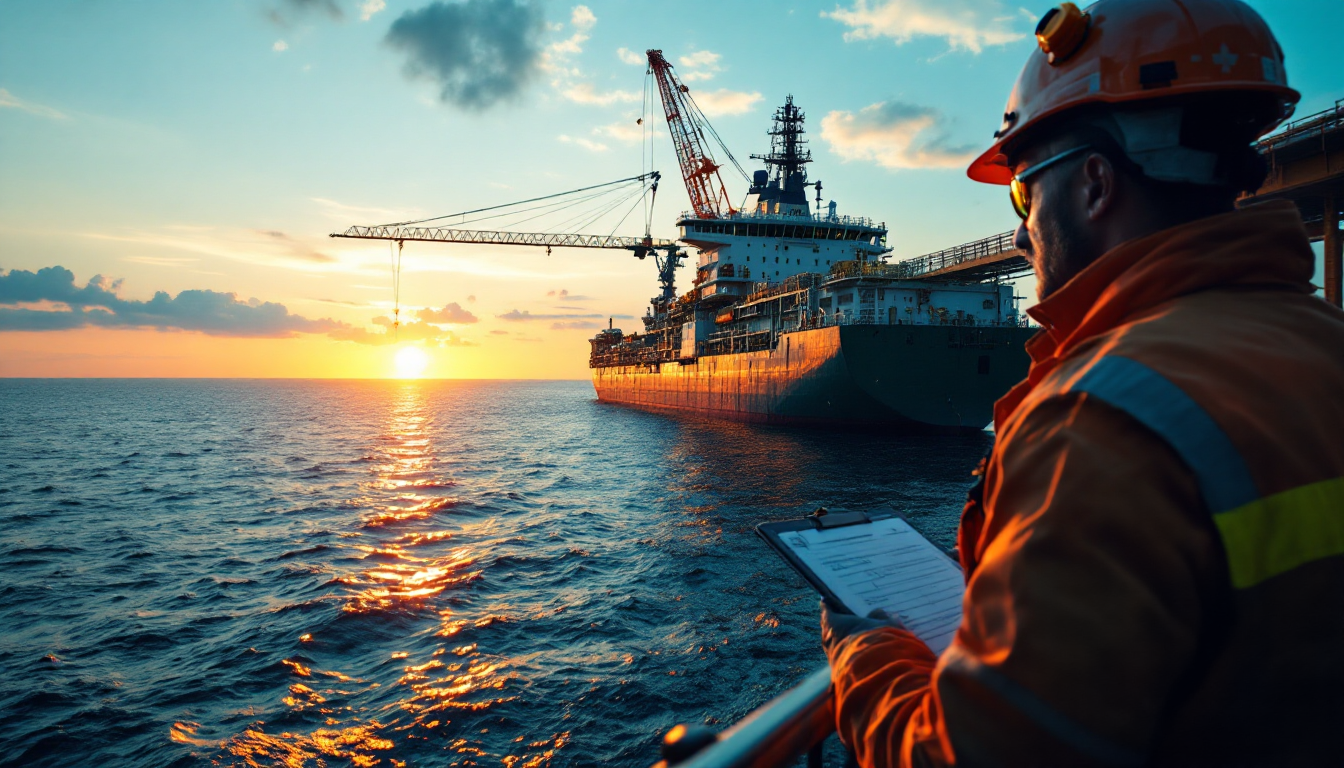
OCIMF's SIRE 2.0 regime has made tanker inspections digital and risk-based, with a deliberate focus on crew competence and behaviour alongside hardware. That change rewards operators who treat safety as a daily practice, not a document.
The Oil Companies International Marine Forum rebuilt its Ship Inspection Report programme as SIRE 2.0, and the mandatory phase has now been in force for well over a year. The headline change is not just that inspectors carry tablets instead of clipboards. It is that the questionnaire is generated for each vessel by cargo type, voyage profile and history, and that human factors sit at the centre of the assessment.
In practice this means an inspector looks beyond whether a procedure exists on paper and observes how the crew actually applies it. Competence, familiarity with equipment and decision-making under normal operations all carry weight. The regime even allows inspectors to record where a crew exceeds expectations, not only where it falls short.
Early experience across the sector suggests the technical questions were the easier part. Interpreting and documenting human performance consistently has taken more effort, for inspectors and operators alike.
For vessels trading to Nigerian terminals serving the IOCs, the message for owners and managers is consistent with good seamanship. Drills that are genuinely practised, records that match reality on deck, and crews who understand the reasoning behind a procedure tend to inspect well. SIRE 2.0 simply makes that culture visible.
Sources & further reading
Need a survey or inspection?
We mobilise to any port or offshore location in Nigeria. Tell us the vessel and the scope and we will handle the rest.
Request an inspection